




PhyBolt is a chip-level multi-physics analysis tool integrating power simulation and thermal simulation. On the power analysis front, PhyBolt incorporates a Signoff-grade power analysis engine that accurately calculates average and peak power under specified scenarios, helping users identify power hotspots and debug power issues, while generating power results as input for thermal simulation. For thermal analysis, PhyBolt embeds a specialized mesh partitioning engine and high-performance solver designed specifically for chip thermal analysis, precisely modeling on-chip thermal conduction across various package structures. PhyBolt uses unique power modeling technology that abstracts intermediate power computation results into efficient mathematical models, supporting dynamic power recalibration based on simulated temperature, voltage, and frequency—dramatically accelerating integrated simulation speed while maintaining coupled-analysis accuracy.
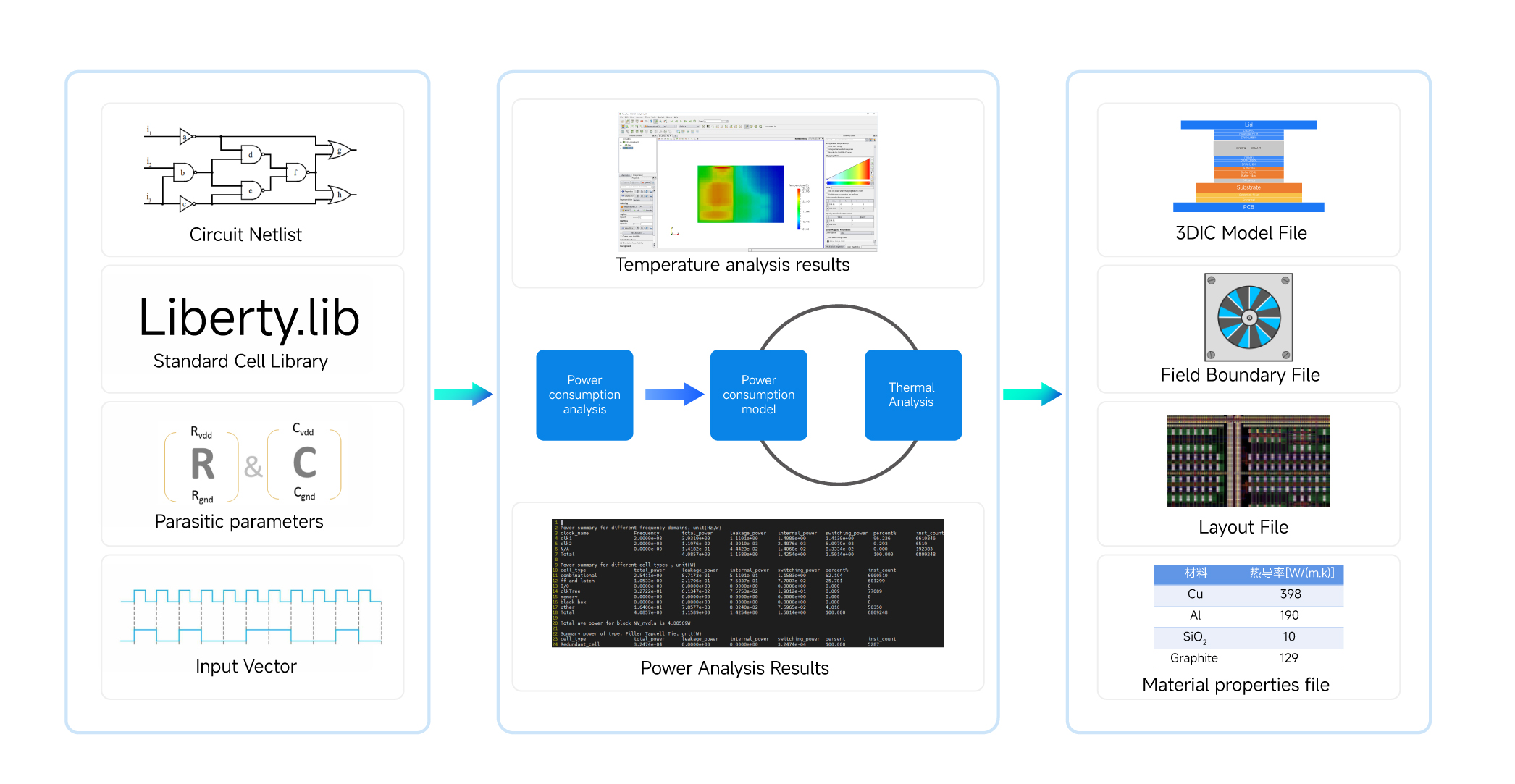
· Unique Power Modeling Technology:
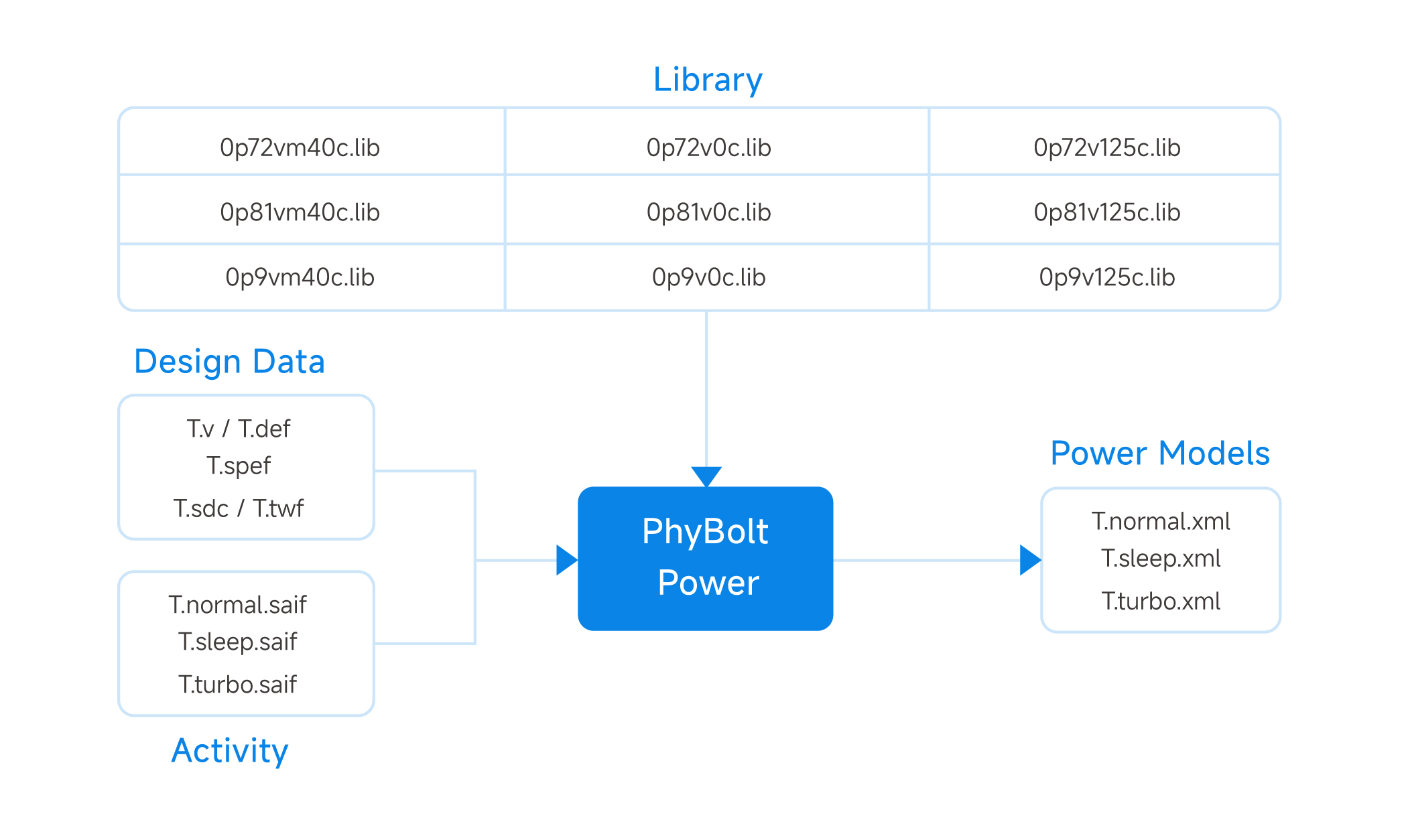
PhyBolt reads multi-temperature (T), multi-voltage (V) Liberty files to abstract intermediate power computation results into efficient mathematical models. Substituting arbitrary V/T/F values enables rapid power evaluation across different operating conditions, achieving computation speeds two orders of magnitude faster than full simulation. Supports multiple toggle information files for generating power models corresponding to different activity modes.
· Rapid Thermal Simulation for Advanced Packaging:
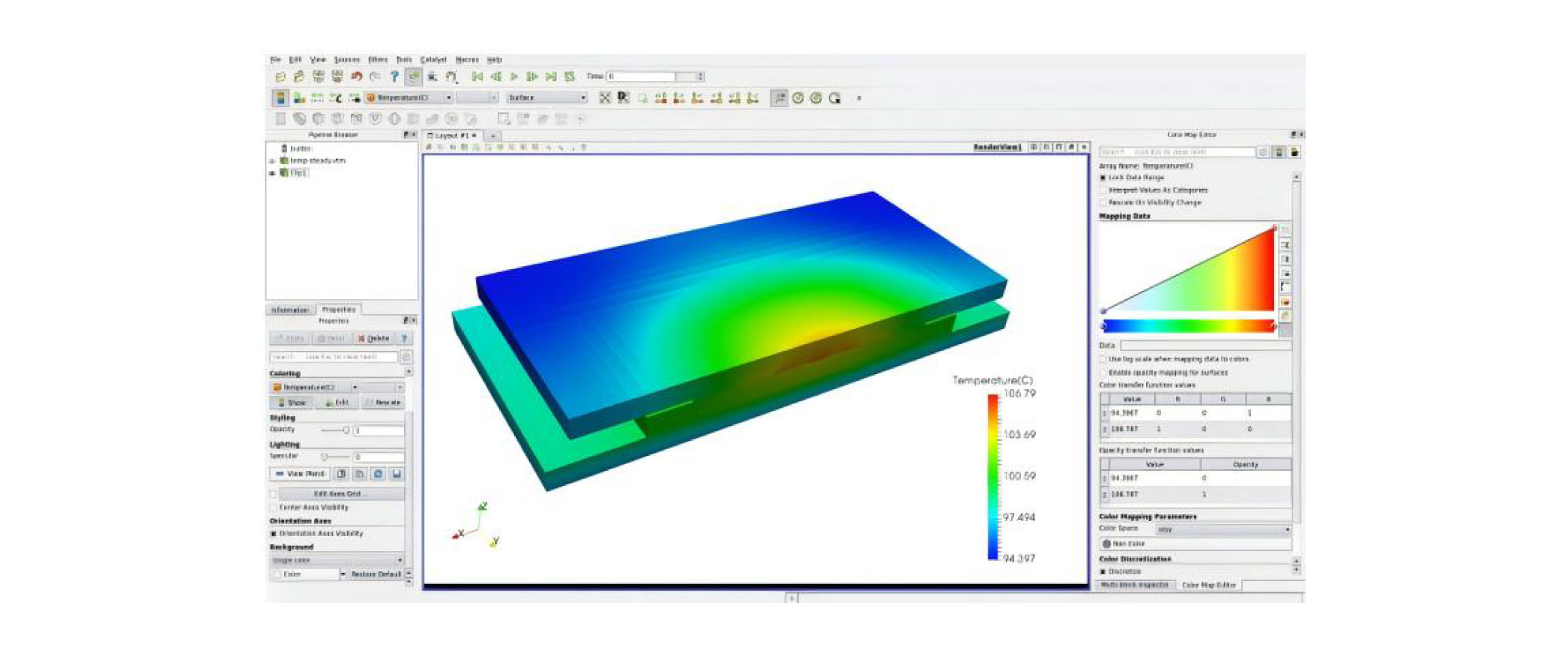
Built-in mesh partitioning engine and high-performance solver optimized for chip thermal analysis accurately model thermal conduction in 2.5D and 3DIC advanced packaging structures. Supports importing package structures, material properties, boundary conditions, and chip layout data for system-level thermal feasibility analysis and thermal Signoff optimization. Provides high-precision equivalent modeling for TSV, Micro Bump, Hybrid Bonding and other heterogeneous media, effectively balancing simulation accuracy and efficiency. Customized simulation engine delivers 10-30x performance improvement over conventional methods.
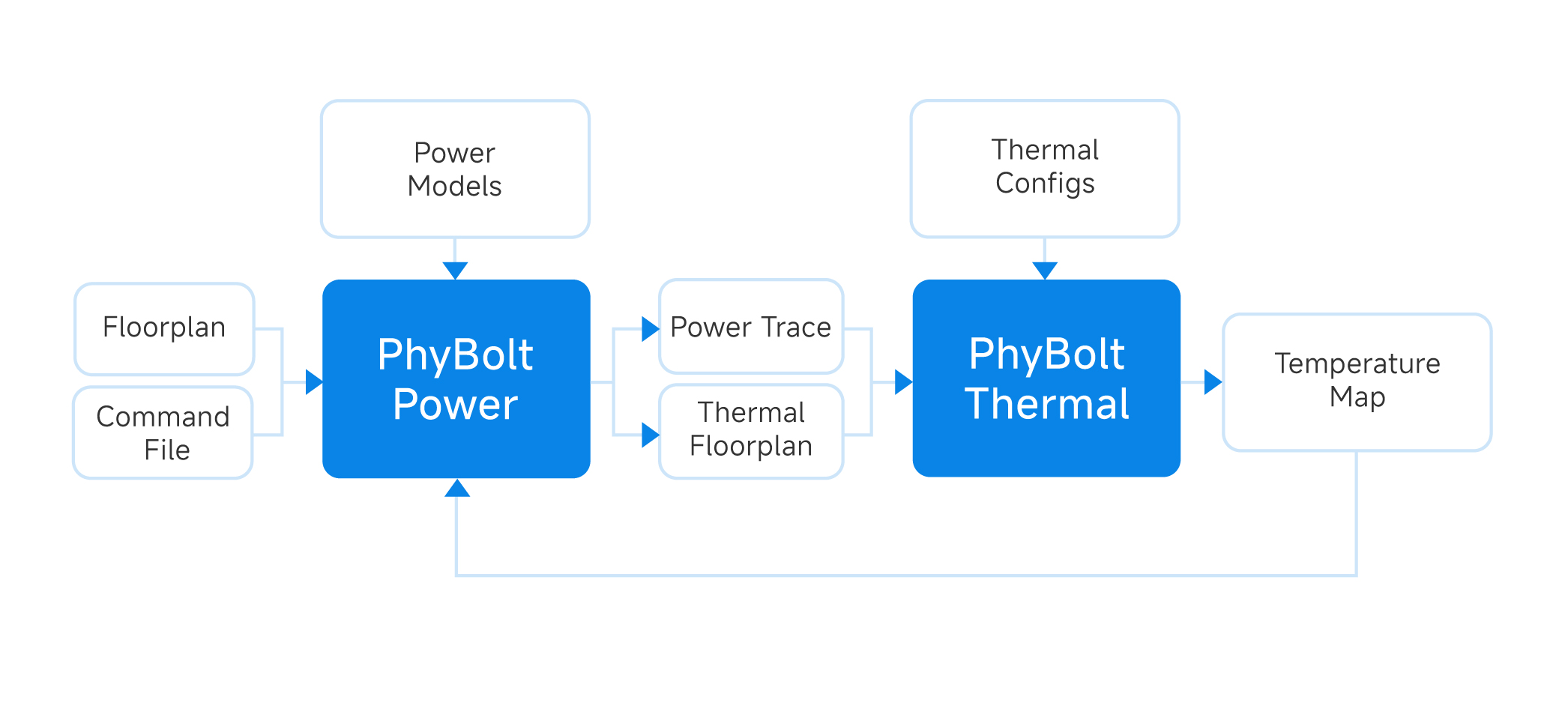
·Provides unified command interface compliant with Python syntax, supporting co-execution of power and thermal simulation workflows within a unified environment. The open Python architecture enables user extensions such as power back-annotation from temperature results, exploration of power-temperature coupling under different operating conditions, and simulation of DVFS and other dynamic regulation algorithms, enabling comprehensive multi-physics closed-loop verification.



 Zhejiang public network security 33010802011331